Memories Are Trapped — And Forgotten
Memories have long remained trapped inside smartphones, cloud folders, and forgotten photo albums. Thousands of meaningful photos are taken every year, yet very few are ever revisited emotionally. The moments that shape us sit in storage — perfectly preserved, almost never felt again.
The problem isn't that we don't care. It's that the format hasn't evolved. A chronological grid of thumbnails was never built to move anyone.
Static Slideshows Don't Move Anyone Anymore
People no longer react emotionally to generic slideshows. Modern audiences have been trained by Netflix, Instagram Reels, TikTok, and premium visual experiences to expect pacing, atmosphere, music, and story.
A wall of photos plays like a spreadsheet. A cinematic reel plays like a memory you can feel again — the same images, transformed by rhythm, light, and emotion.
AI-Native Cinematic Storytelling Changes The Format
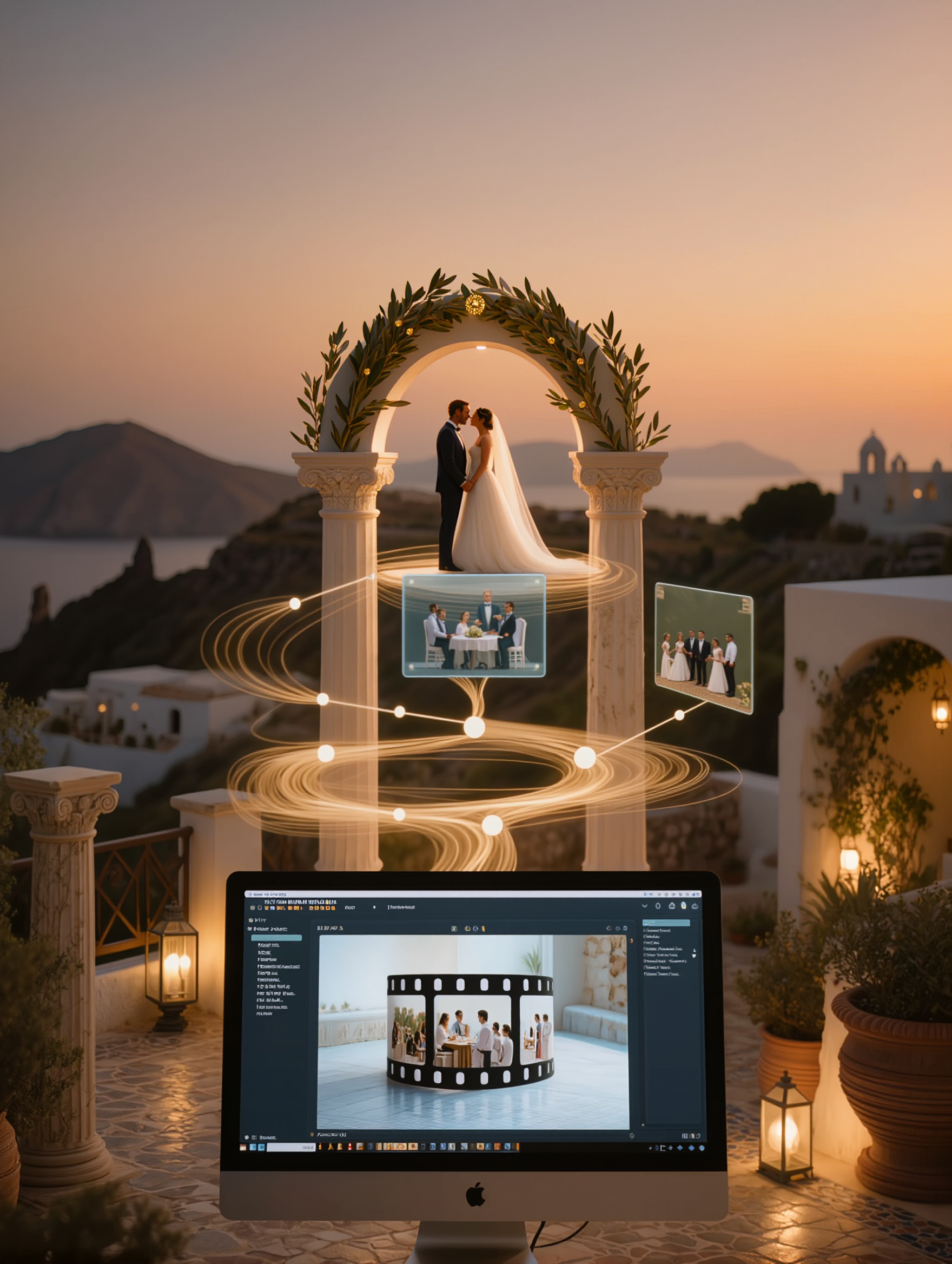
AI-native cinematic storytelling is beginning to transform static memories into immersive emotional experiences. Instead of basic slideshows, AI-powered cinematic reels combine storytelling, atmosphere, music, transitions, and emotional pacing — the same craft a film editor brings to a feature, applied to your photo library.
Storytelling Structure
Photos are sequenced around an emotional arc — setup, build, payoff — instead of timestamp order.
Atmosphere & Light
AI grades, relights, and stylises frames so a kitchen snapshot feels like a film still.
Music & Pacing
Cuts land on the beat. Tempo rises and falls to match the moment, not a fixed slideshow timer.
Emotional Transitions
Motion, parallax, and scene linking turn jumps between photos into a continuous experience.
The Same Dinner, Now Worth Watching
A family dinner photo, on its own, is a fragment. The same dinner — framed cinematically, paced with breath, set against the right score — becomes a scene people actually want to sit with.
That shift, from document to experience, is what AI cinematic storytelling makes routine. Not for big productions — for everyday memories.
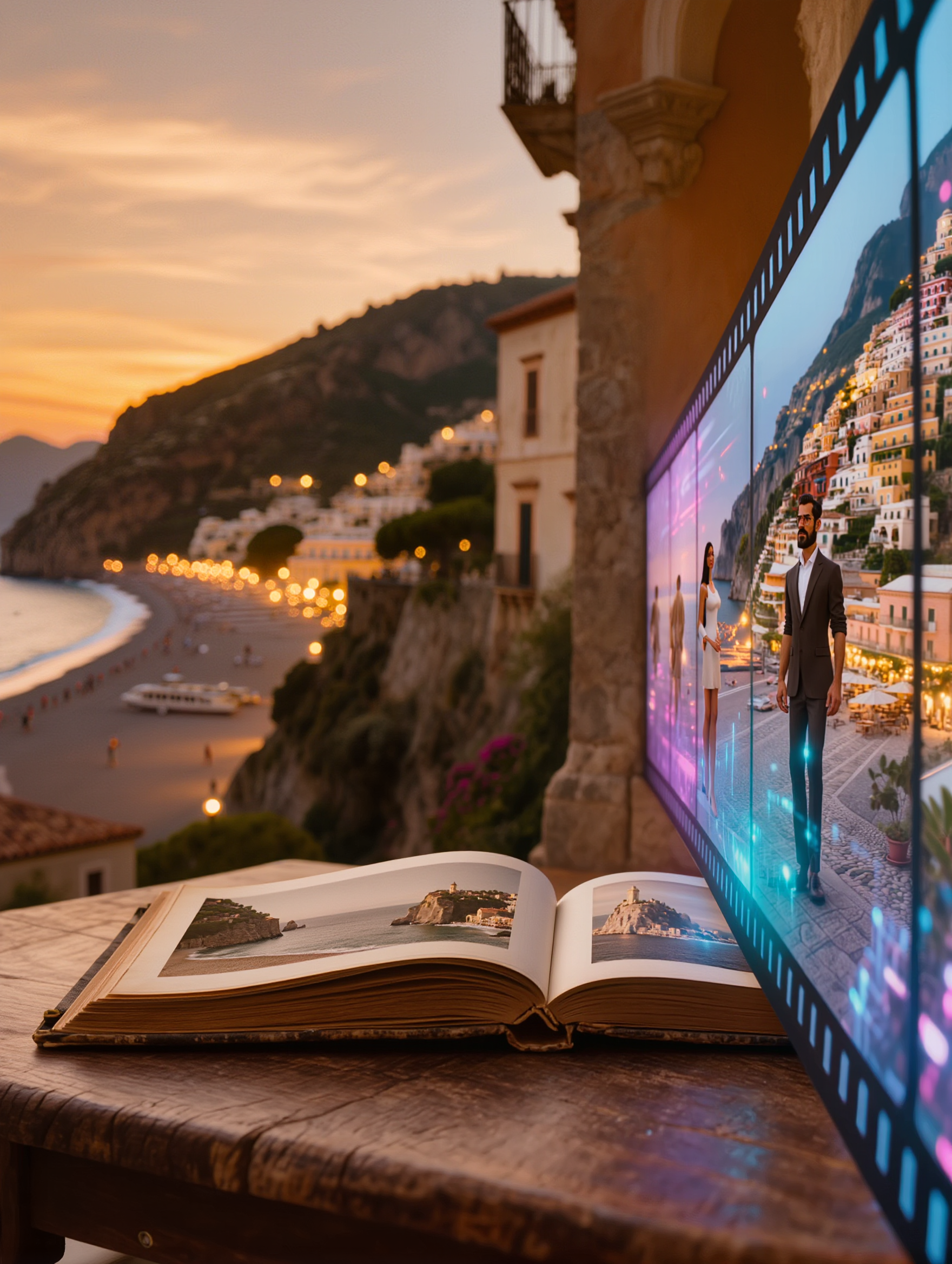
Not Just For Filmmakers Anymore
AI storytelling platforms now allow families, creators, hotels, event planners, and businesses to create emotional short films from simple photos — without production agencies, advanced editing skills, or week-long timelines.
Families
Birthdays, weddings, and milestones turned into reels worth watching again — not buried in a cloud folder.
Creators
Personal archives become publishable, on-brand cinematic shorts in minutes, not days.
Hotels & Events
Guest moments and on-site footage shipped as polished reels while the experience is still fresh.
Businesses
Team milestones, launches, and customer stories told cinematically without an agency budget.

From Camera Roll To Cinema
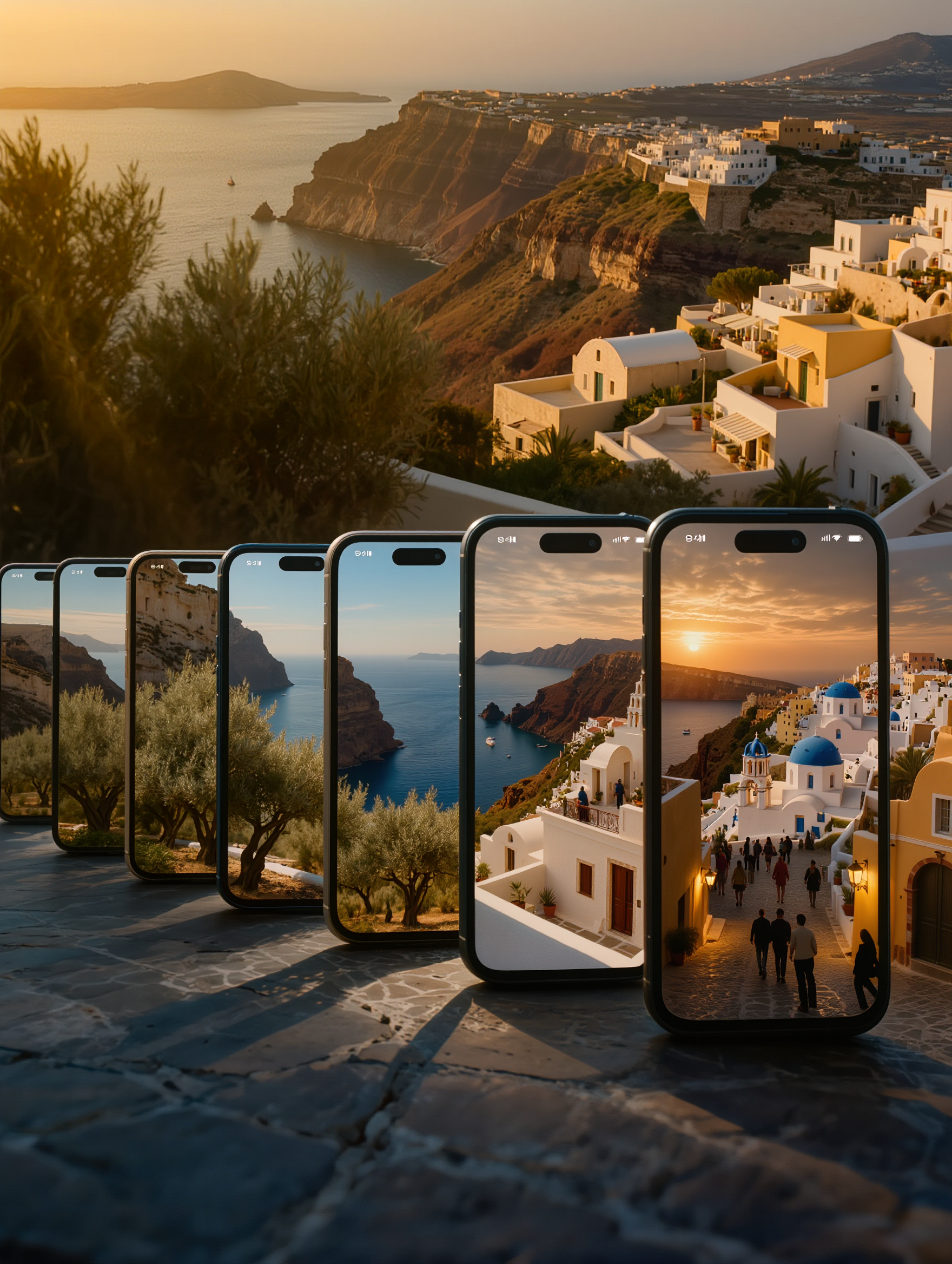
The raw material is already on your phone. What's changed is what can happen to it once it leaves the gallery — frames re-lit, sequenced, scored, and paced into something that feels closer to a short film than a slideshow.
No agency. No editing suite. No three-week turnaround. Just photos in, cinematic reel out.
The Future Of Memories Is Emotional, Cinematic, And Personal
The shift is already underway. Memories are moving out of static formats and into experiences that match how we actually consume stories everywhere else.
The next decade of personal media won't be measured in photos taken — it'll be measured in moments people choose to relive.